Common mistakes with Welling house removals access and parking
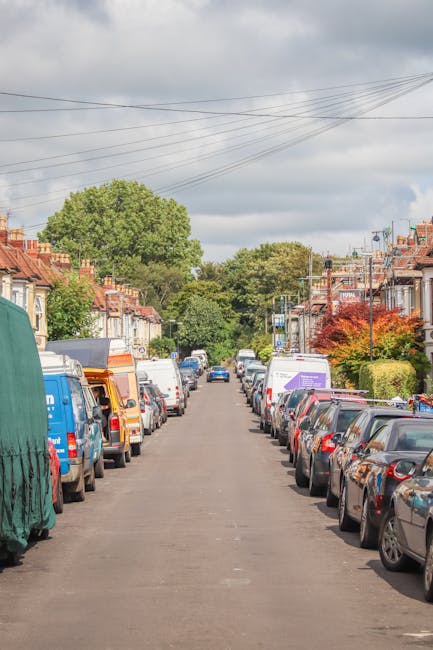
Moving house in Welling can feel straightforward right up until the van arrives and the street tells a different story. A tight cul-de-sac, parked cars on both sides, a low tree branch, a neighbour's skip, or a loading bay that turns out to be unavailable can all slow a move down fast. The most common mistakes with Welling house removals access and parking are usually small planning oversights, but they have a habit of becoming big, expensive delays on the day.
This guide breaks down the mistakes people make most often, why they matter, and how to avoid them. If you are arranging house removals, a flat move, or even a bigger family relocation, good access planning is one of the simplest ways to keep the day calm. It is not glamorous. It is, however, the bit that often saves the move.
Why Common mistakes with Welling house removals access and parking Matters
Access and parking sound like admin detail, but in removals they shape almost everything: timing, labour, safety, cost, and stress levels. If the van cannot stop close enough to the property, every item has a longer carry. That means more time, more lifting, and more chance of something being scraped, knocked, or dropped. Simple enough.
In Welling, this matters because residential streets can vary a lot. You might have a neat driveway on one move and a narrow road with cars lining both sides on the next. Add school-run traffic, neighbour parking, or awkward turning space, and the move can become much slower than planned. A perfectly packed home does not help much if the team spends twenty minutes circling the block looking for a safe place to load.
There is also the human side. When access is tight, everyone feels the pressure. The person moving out may worry about blocked roads or complaints from neighbours. The removal team may need to change the load sequence, work in shorter bursts, or carry items further than expected. That can be managed, of course, but only if the issue is known before moving day.
If you want to understand the wider service context as well, it can help to look at the broader removals process or review pricing and quotes early so access issues do not surprise you later. Good planning is usually cheaper than last-minute fixes. Usually.
How Common mistakes with Welling house removals access and parking Works
Good removals planning starts with one question: where will the vehicle actually stop? Not where you hope it will stop, not where it would be ideal to stop, but where it can safely and legally stop without causing problems. That is the heart of access planning.
At a practical level, the process is fairly simple:
- Check the street layout at both properties.
- Measure or estimate the distance from the vehicle to the front door.
- Look at turning space, width restrictions, steps, and any low obstacles.
- Think about parking availability at the day and time of the move.
- Decide whether the vehicle needs to be a van, a larger truck, or a different loading setup.
The mistake many people make is assuming the move will work itself out on the day. It rarely does. The driver or removals crew can adapt, but only within the limits of road space, safety, and the time booked. If a vehicle has to park half a street away, the entire rhythm of the move changes. Boxes go out first, then furniture, then more trips back and forth. It is the sort of thing that sounds manageable until you are doing it in the rain at 8:15 in the morning.
For smaller jobs, a man and van arrangement may be enough. For bigger household loads, a larger moving truck or a planned removal van setup may be better. The right choice depends less on theory and more on actual access.
Key Benefits and Practical Advantages
Getting access and parking right does more than save time. It improves the whole moving experience in ways people only notice when something goes wrong.
- Less lifting distance: A closer parking spot means fewer steps with heavy boxes and furniture.
- Lower damage risk: Shorter carries reduce the chance of scuffs, bumps, and dropped items.
- Better scheduling: The crew can work to the planned timetable instead of improvising.
- Less fatigue: A move with a short carry is simply less exhausting.
- Cleaner communication: Everyone knows what to expect before the van arrives.
There is also a confidence benefit. A well-planned move feels controlled. That matters more than people think. If the driver knows the access route, the household knows where things are going, and parking is sorted, the day usually starts in a calmer way. And a calm start tends to stay calm.
Some customers also find that access planning helps them decide whether to add extras like packing and boxes support, packing and unpacking services, or temporary storage if the move needs to be split over more than one day. Once the parking picture is clear, the rest of the move becomes easier to shape.
Who This Is For and When It Makes Sense
Access and parking planning matters for almost every move, but it becomes especially important in a few situations.
- Terraced houses and narrow streets: Common in many London suburbs, where curb space disappears quickly.
- Flats and maisonettes: Shared entrances, stairwells, and limited nearby parking can complicate loading.
- Families with bulky furniture: Sofas, beds, wardrobes, and appliances do not forgive poor access.
- Students or first-time movers: Often new to the practical side of removals and likely to underestimate parking.
- Commercial relocations: Deliveries, building access rules, and loading bays can all affect timing.
If you are arranging a smaller relocation, services like student removals or flat removals may still need careful access checks. Smaller moves can be just as awkward as bigger ones, just in a different way. The load may be lighter, but the building entrance might be a nightmare.
Truth be told, it also makes sense for anyone moving on a tight schedule. If the property handover is same-day or the keys are due at a fixed time, even a short parking delay can ripple through the day. In those cases, people sometimes explore same-day removals, but only if access is properly planned first.
Step-by-Step Guidance
If you want to avoid the usual access and parking headaches, use a simple step-by-step approach. No fuss, just practical thinking.
- Walk the route from the front door to the road. Notice gates, tight corners, steps, shared entrances, and anything that might slow down carrying.
- Check where the vehicle can legally stop. Do not assume the nearest space will be free. Think about yellow lines, driveways, dropped kerbs, and restrictions.
- Measure the carry distance. A few extra metres may not matter for one box, but it matters when repeated dozens of times.
- Look at the size of the vehicle. A larger vehicle may reduce trips but can be harder to park in a tight street. A smaller van may fit better, but may require more runs.
- Plan for peak traffic times. School runs, commuter traffic, and weekend shopping can all make access harder than it looks at 9am on a quiet Tuesday.
- Tell the removals provider about obstacles early. This includes low branches, narrow lanes, security gates, basement entrances, and any resident-only parking controls.
- Keep essentials separate. If loading is delayed, you will still want keys, chargers, documents, and a kettle accessible. Honestly, the kettle matters.
If you are arranging a larger household move, it can help to book through experienced house removalists or a trusted removal services provider, because they are more likely to ask the right access questions before the booking is confirmed. That small conversation can prevent a lot of awkwardness later.
Expert Tips for Better Results
Here are the little things that usually make the biggest difference. In our experience, these are the details people skip when they are busy, then regret later.
Take photos of both addresses. A clear picture of the front of the property, the street, and any parking signs is more useful than a long explanation. If the team can see the space, they can plan more accurately.
Think like the driver. Ask yourself: can a vehicle turn in, reverse safely, and pull away without blocking a junction? If the answer is only "sort of", that is a sign to review the plan.
Leave more time than you think you need. This sounds obvious, but a move day has a way of swallowing time. A parking issue that seems tiny at 7am can become a genuine problem by 10am.
Speak to neighbours if necessary. A polite conversation the day before can help avoid friction, especially if you need to keep a space clear for a short period. People are usually more reasonable when they know what is happening.
Keep bulky items ready first. If access is tight, loading the largest pieces early can reduce back-and-forth later. It also makes the van packing more efficient, which is one of those quietly satisfying jobs nobody talks about.
Expert summary: The best access and parking plan is not the one that looks neat on paper. It is the one that still works when the street is busy, the space is awkward, and the weather is mildly annoying.
Common Mistakes to Avoid
This is the section that matters most. These are the mistakes that most often slow down Welling house removals access and parking.
1. Assuming the van can park right outside
It is a very human assumption. We all want the easiest version of the day. But outside parking is never guaranteed, especially on residential streets. If the vehicle ends up three doors away, the move may still go ahead, just slower and more tiring.
2. Ignoring narrow access or low obstacles
Many people remember the stairs and forget the branch, gate, or low wall. These small physical barriers can matter more than the road itself. A perfectly parked van is no help if furniture cannot fit through the approach.
3. Not checking parking rules in advance
Whether the street uses permits, time restrictions, or shared resident bays, the rules should be checked before moving day. Guessing is a bad strategy. Not a disaster every time, but bad strategy all the same.
4. Forgetting about loading time
Parking is not just about distance. It is also about how long the vehicle can stay safely where it is. If access is awkward and the move takes longer than planned, the whole day may need adjusting.
5. Underestimating flat access
People often focus on the street and overlook the building. Shared hallways, tight staircases, awkward lifts, and entrance codes all affect the move. For flats, it is worth comparing access carefully with flat removals options early on.
6. Booking the wrong size vehicle
A vehicle that is too large can be hard to position safely, while one that is too small creates extra trips. The sweet spot depends on the property, not just the volume of belongings. A bigger van is not always better. A classic mistake, that one.
7. Not telling the removals team about awkward items
Pianos, sideboards, wardrobes, and large mirrors can all change the loading plan. If a narrow turn or a long carry is involved, the team should know before arrival. For unusually heavy or delicate items, specialist help such as piano removals may be the safer route.
8. Leaving parking arrangements until the morning of the move
By then, it is too late to do much. The better time is several days ahead, while there is still room to adjust the plan. That small bit of lead time often makes the difference between a smooth day and a messy one.
Tools, Resources and Recommendations
You do not need a huge toolkit to get access planning right. You just need a few basic things and a bit of common sense.
- Phone camera: Take photos of the street, parking signs, and property frontage.
- Tape measure: Useful for doorways, hallways, and awkward furniture dimensions.
- Notebook or move checklist: Keep access notes, arrival times, and any building instructions in one place.
- Floor plan or simple sketch: Handy for planning furniture placement and load order.
- Message thread with your removals provider: A written record of parking instructions avoids confusion later.
On the service side, it can help to review pages like about us and insurance and safety when choosing a mover, especially if you want to understand how they approach practical handling and risk. If you are comparing costs, the pricing and quotes information is also worth a look.
If your move involves a business address, you may also find commercial moves or office removals useful as a reference point, because the same access logic applies: nearby parking, loading access, safe lifting, and clear timing. Different setting, same headaches. More or less.
Law, Compliance, Standards and Best Practice
Access and parking for removals are not just convenience issues. They also connect to UK road safety, building access rules, insurance expectations, and local parking controls. The exact rules vary by location, so it is best to treat this as a planning and compliance issue rather than something to sort out casually on the day.
In practical terms, best practice usually means:
- parking legally and safely;
- avoiding obstruction of driveways, junctions, and pedestrian routes;
- not blocking access for neighbours, emergency vehicles, or service vehicles;
- following any building or estate rules about loading bays, lifts, and service entrances;
- making sure the load area is safe for the crew and the public.
If parking or access might cause a problem, it is wise to raise it early rather than assume it will be accepted on the day. Good removal firms will prefer that. It protects everyone involved, and it helps avoid misunderstandings about delay, extra labour, or parking complications. You can also review the company's terms and conditions and health and safety policy to understand how they handle practical risk.
For customers who want reassurance around handling and responsibility, pages like payment and security and privacy policy are also part of choosing a provider you can trust. Not exciting reading, admittedly, but useful. Very useful.
Options, Methods, or Comparison Table
Different access situations call for different removal methods. Here is a simple comparison to help you think it through.
| Method | Best for | Access advantage | Potential drawback |
|---|---|---|---|
| Small van | Light loads, student moves, limited street space | Easier to park in tighter roads | More trips if you have a lot of belongings |
| Removal van | Typical house moves with moderate access | Good balance of capacity and manoeuvrability | May still be awkward on very narrow streets |
| Moving truck | Large homes or bulky furniture | Fewer trips, better for bigger loads | Harder to park and turn in restricted areas |
| Man and van | Quick jobs, smaller moves, flexible access | Agile, simple, and often practical for awkward streets | Not always ideal for very large or complex moves |
| Full house removals team | Whole-home relocations with multiple rooms | Better coordination when access is tricky | More planning needed before the day |
The right choice depends on the combination of property size, furniture volume, street layout, and time pressure. If you are unsure, a provider offering removal truck hire or a more flexible man with van option may help you match the vehicle to the access conditions, rather than forcing the move into the wrong shape.
Case Study or Real-World Example
Here is a realistic example. A family in Welling is moving from a semi-detached house into a first-floor flat. On paper, the move looks simple: a medium-sized load, a short journey, and only a few pieces of large furniture. But the new flat is on a road with limited daytime parking, and the entrance is set back behind a shared path.
At first, they assume the van can stop outside the building. That turns out not to be true. The best available space is around thirty metres away, which is not a huge distance, but enough to affect the day. The sofa needs a careful carry around parked cars, and the washing machine has to be moved using more than one person. Nothing disastrous, but the schedule slips.
What helped? They sent photos in advance, discussed the access with the removals provider, and packed the fragile items separately so the team could move them efficiently. They also moved smaller boxes first and left the heavy furniture for when the route was clear. The whole job still took longer than planned, but it stayed controlled. No drama, no damage, and no one was carrying boxes while muttering under their breath too loudly. A small victory, but a real one.
That kind of outcome is exactly why access planning matters. The move was never going to be perfect. It just needed to be predictable.
Practical Checklist
Use this checklist a few days before moving day. It is the sort of thing that saves people from the classic last-minute panic.
- Confirm where the vehicle will park at both addresses.
- Check whether either street has parking restrictions or permit rules.
- Measure any tight doorways, hallways, staircases, or access gates.
- Take photos of the front of each property and the approach route.
- Tell the removals team about steps, lifts, and long carries.
- Identify any bulky, fragile, or unusually heavy items.
- Ask whether the vehicle size fits the street and the load.
- Keep your essentials bag separate and easy to reach.
- Let neighbours know if you need to reserve space informally.
- Reconfirm arrival time and any final parking instructions the day before.
If your move is part of a broader home transition, services such as home moves or furniture removals can help when access is more complicated than expected. For some households, splitting the load or arranging a staged move is the simplest fix. Not always the cheapest, but often the sanest.
Get a free quote today and see how much you can save.
Conclusion
The most common mistakes with Welling house removals access and parking usually come from assumptions: assuming a van can stop outside, assuming there will be enough space, assuming the building will be straightforward, or assuming parking rules can be dealt with later. Those assumptions are understandable. Moving house is busy, and people are juggling keys, contracts, packing, and everyday life at the same time.
But a little access planning goes a long way. When you check the street, measure the carry, think about parking restrictions, and tell the removals provider what the property is really like, the move becomes far easier to manage. You do not eliminate every problem. You just remove the unnecessary ones.
If there is one takeaway here, it is this: access is not a detail. It is part of the move itself. Get it right, and the whole day feels lighter.
Frequently Asked Questions
What are the most common mistakes with Welling house removals access and parking?
The biggest mistakes are assuming there will be space outside the property, ignoring parking restrictions, forgetting to check building access, and underestimating how far items may need to be carried.
How far in advance should I plan parking for a house move?
Ideally, you should check and confirm parking a few days before the move, and again the day before if anything might have changed. Leaving it to the morning is risky.
Do I need to tell the removals company about narrow roads?
Yes. Narrow roads, tight turns, and limited passing space can affect the vehicle choice and the loading plan. The earlier they know, the better they can prepare.
What if the van cannot park outside my house?
The move can still happen, but the carrying distance increases. That usually means slower loading, more physical effort, and possibly more time on site.
Is a smaller van better for awkward access?
Sometimes. A smaller van can be easier to park in tight streets, but it may require more trips. The best option depends on the street and the amount of furniture.
Should I reserve a parking space for moving day?
If it is legally and practically possible, yes. At the very least, you should check whether any permit, visitor bay, or loading area is available. Always keep it compliant with local rules.
How do flats create access problems during removals?
Flats often involve shared entrances, stairs, lifts, security doors, and limited parking nearby. Even a short move can become slow if the access route is awkward.
Can parking issues increase removal costs?
They can. If the crew has to carry items further, wait longer, or adjust the schedule, the job may take more time and labour than originally expected. Exact pricing depends on the provider.
What photos should I send before the move?
Send photos of the front of the property, the street, parking signs, the route to the entrance, and any steps, gates, or tight hallways. A few clear pictures are often more useful than a long explanation.
What should I do if my street is busy during the day?
Plan for it. Consider an earlier arrival, a smaller vehicle, or extra time for loading. Busy streets can be perfectly manageable if you do not treat them like a quiet suburb at 11pm.
Does access planning matter for student moves too?
Absolutely. Student moves often involve smaller loads, but parking and access can still be awkward in shared houses, terraces, or flats. Smaller does not always mean simpler.
Where can I learn more about the company before booking?
It is sensible to review the company's about us page, along with insurance and safety and complaints procedure, so you know how they work and what support is available if needed.